
High school graduation is a huge milestone, but it leaves a lot of teens asking “What comes next?” While heading straight to a traditional four-year college is the right decision for some, it’s not the only smart choice a high school grad can make. There are a lot of valid alternatives to college for every type of student.
Jump to:
Why Consider Alternatives to Traditional College?
Take a look at some of the common reasons that a traditional four-year college experience isn’t the right fit for every student.
College Costs and Student Loan Debt
Without financial aid or other assistance, the average in-state public college degree (including room and board) averages around $125,000, with private or out-of-state costs even higher. Grants and loans can help some students meet these financial demands, but plenty of today’s teens are wary about taking on substantial debt before they’ve even entered the workforce.
Learn more: The Ultimate Guide to College Scholarships
Interest in Skilled Trades
Skilled trades (such as plumber, electrician, or solar technician) are always in demand, and many offer apprenticeship programs that give aspiring tradespeople the ability to learn and earn at the same time. The process can be even shorter (and more affordable) for students who take advantage of high school vocational programs in their area.
Learn more: What Is Career and Technical Education (CTE)?
Career Goals Don’t Require a Four-Year Degree
Skilled trades aren’t the only careers that don’t require a bachelor’s degree! Many entry-level jobs offer the hands-on training people need, allowing them to earn while they learn. Other careers—such as dental assistant, cybersecurity, or pharmacy tech—may require much shorter prep programs that take only weeks or months to complete and cost much less than traditional college.
Learn more: 30 High-Paying Jobs That Don’t Require a College Degree
Desire To Start Earning Sooner
Some high school grads want (or need) to begin earning their living as soon as possible. Spending another four years in school can delay that goal, and it simply isn’t an option for all students. That’s why schools need to help students consider all their career options, including those that don’t start with a traditional college education.
Learn more: What Is Career Planning for High School Students?
Different Educational Goals
When it comes down to it, some teens just aren’t interested in the traditional college experience—and that’s OK! There are many ways to learn, gain valuable experience, and create a worthwhile future outside the standard four-year (or more) college track.
Learn more: College Is Not for Everyone—Here’s Why
Adult Education Programs
There are so many ways to continue your education without committing to a huge expenditure of time and money. Try some of these alternatives to college if you want to keep developing your skills and talents without racking up huge amounts of student loan debt or waiting years to joint the workforce.
Technical School
Many good careers require some prerequisite training, and technical schools provide the knowledge and hands-on experience prospective workers need. The time and financial commitment are both much shorter than a four-year degree, getting people into the workforce more quickly. Potential jobs include:
- Dental assistant
- Cosmetologist
- Healthcare technician
- Hospitality and service industry expert
- Culinary arts worker
- Legal assistant
Skilled Trades Training
Careers in the skilled trades can pay extremely well, and there’s an ongoing shortage in many fields. Training programs are often less than a year long, and they’re very affordable compared to traditional college. Skilled trades include:
- Electrician
- Plumber
- HVAC repair
- Carpenter
- Welder
- Automotive repair
- Heavy-equipment operator
- Transportation worker
- Wind turbine or solar technician
Learn more: Trade Schools Are a Strong Choice for Students, Not a Contingency Plan
Apprenticeship
Though not as common as they used to be, apprenticeships allow people to gain new skills on the job, effectively getting paid to learn. Most apprenticeships are in the skilled trades and can take several years to complete. Take-home pay is lower at first but often rises substantially as you advance.
Learn more: ApprenticeshipUSA
Many people take community college courses, for a variety of reasons. You might work toward a two-year associate’s degree, required for some careers. You can also earn credits and later transfer to a four-year college (be sure to verify your credits will transfer in advance). Or simply take courses in subjects that interest you, to help advance your own possible career.
Work College
This is an option that many may not be familiar with: a four-year degree-granting institution that integrates meaningful work experiences throughout. Although lots of people work their way through college, these schools specifically require students to work. This reduces the cost of education while providing valuable experience along the way.
Learn more: What Is a Work College? at Work Colleges Consortium
Online College
Taking online classes is ideal for those who need a lot of flexibility. This allows you to learn over time while still working, traveling, or handling family or personal matters. Tuition may be lower, plus students save onboarding or commute costs. Online college can still require a large investment of time and money, though, so be sure the commitment is worthwhile for you.
Learn more: The Best Accredited Online Colleges at U.S. News & World Report
Certificate Program
A certificate program builds the skills you need to succeed in specific careers. Certificate programs are generally fairly short (weeks or months vs. years), and the costs aren’t usually prohibitive for most. Examples include:
- Google Career Certificates: These online, job-focused programs teach practical skills in fields such as IT support, data analytics, cybersecurity, project management, and digital marketing.
- CompTIA Certifications: Earn industry-recognized credentials that demonstrate technical skills for IT careers, including IT support, networking, cybersecurity, and cloud computing.
- Microsoft Certifications: These credentials validate skills in Microsoft technologies, including Microsoft 365, Azure cloud computing, cybersecurity, and data analysis.
- AWS Certifications: Credentials from Amazon Web Services can demonstrate knowledge of cloud computing, including cloud fundamentals, architecture, development, operations, and security.
- Salesforce certifications: These credentials demonstrate expertise in Salesforce, a customer relationship management (CRM) platform businesses use to manage customer information, sales, and service.
Free Online Courses
If you’re interested in continuing to learn but can’t afford a financial investment right now, look into the thousands of free online courses available on the web. Whether you’re auditing classes from prestigious institutions like Harvard or Yale or studying a language with Duolingo or Rosetta Stone, online classes are viable short-term alternatives to college because they let you explore subjects to find potential new career ideas.
Coding Boot Camp
In many areas of the country, computer programmers and other experts are in high demand. If you have an interest in and aptitude for computers but don’t want to pursue a full computer science degree, consider attending a coding boot camp. In several intense months of practical training, you’ll gain the necessary skills for many coding jobs. Be aware that the upfront costs can run into the thousands, though certainly less than a four-year degree.
Entry-Level Workforce Options
Despite the jokes, skipping college doesn’t mean you’ll have to work in fast food for the rest of your life (unless you want to). Many entry-level jobs pay reasonably well, with the chance for increased pay as you gain experience. Take a look at some of the best entry-level jobs that often only require a high school diploma.
Learn more: 30 High-Paying Jobs That Don’t Require a College Degree
Firefighter
It takes a special kind of person to run into a burning building while others are running out. If that sounds like you, consider a career as a firefighter. In many areas, you can volunteer first to see if this career is a good fit. (Average entry-level salary: $59,600)
Police Officer
Law enforcement needs thoughtful, compassionate workers now more than ever. Consider taking the opportunity to be the change you’d like to see in your local police force. (Average entry-level salary: $62,100)
Flight Attendant
Got the travel bug? Flight attendants work extremely hard, but they’re rewarded with travel possibilities. Know that you’ll likely start out working shorter local routes, but you may be able to work your way up to cross-country and international routes as you gain experience. (Average entry-level salary: $47,000)
Health Caregiver
If you’re a people person who enjoys taking care of others, consider a career in caregiving. Whether you work as a community or home health aide or take a job in a nursing or assisted-living facility, you’ll get the chance to help those who need it most. (Average entry-level salary: $32,300)
Personal Trainer
Focus on health and personal wellness with a career in personal training. This is a great job for those who enjoy the benefits of exercise and healthy living and want to help others do the same. Tip: Pursue a personal trainer certification to build trust with clients! (Average entry-level salary: $61,000)
Childcare Worker
Love spending time with kids? Work for a childcare or daycare facility, and maybe start your own someday. Or think about becoming a nanny or full-time babysitter—many families are opting for at-home care instead, and you’ll have the opportunity to build a strong relationship that can last for years. (Average entry-level salary: $33,200)
Academic Tutoring
If you enjoyed a specific subject (or subjects) in school, consider becoming a tutor to students who need help. Work for an established company or start your own tutoring business, working online, in-person, or both. (Average entry-level salary: $42,000)
Learn more: How To Find the Best Online Tutoring Jobs
Retail or Restaurant Management
Many restaurant servers or retail workers are young and need flexible schedules. If you’re ready to work full-time in the field and demonstrate reliability and good leadership, management can be in your future! If you worked a retail or restaurant job part-time in high school, let the organization know you’re interested in longer-term career opportunities and find out what they can offer. (Average entry-level salary: $54,900)
HR Assistant
While higher-level human resources jobs often require four-year degrees, assistant or administrative-level jobs may only need candidates with basic office skills. Once you have your foot in the door, you may have opportunities to climb the ladder or pursue additional education options to increase your earning potential. (Average entry-level salary: $44,200)
Customer Service
These career options are reliable ways to gain experience at a company and potentially work your way up to higher-paid positions. Bonus: These jobs often allow you to work from home! (Average entry-level salary: $39,100)
Administration and Office Support
Businesses need folks to manage the day-to-day logistics, and most don’t require a college degree. These jobs involve tasks like managing schedules, organizing records, preparing documents, coordinating meetings, or overseeing supplies and maintenance. If you have strong organizational skills, this could be the field for you. (Average entry-level salary: $45,000)
Start a Business
There’s no doubt that starting your own business can be risky, but if you’ve got a brilliant idea or know of a niche that needs to be filled, it just might be worth a shot. Just remember it usually takes two to three years for a new business to be profitable, so plan to have an alternative source of income in the meantime.
More Alternatives to College
Looking for even more ideas? Consider these.
Military Service
While it’s not for everyone, the military offers a variety of possibilities for those who are interested. Enlist for a few years, then move on to college or a job. Or consider making a career out of your service.
Learn more: Requirements To Enlist in the U.S. Military at USA.gov
Volunteer
Spending time with an organization like the Peace Corps, AmeriCorps, or other volunteer organizations can be a truly unique experience. In many cases, you’ll be able to travel someplace new to become part of the local community while you serve. Rewarding volunteer work can also help build experience and connections you can use later in a paying career.
Learn more: Volunteer.gov
Gap Year
Some new high school grads want to go to college but aren’t quite ready to get into the grind right away. A gap year can be a chance to travel, gain real-life experience, or explore creative or personal interests. Studies show that around 90% of people who take a gap year really do continue on to college within a year of their break. So it’s OK to take a little time to figure out who you are and what you want to do, if that’s a possibility for you.
Learn more: What Is a Gap Year and How Do You Take One? at Go Overseas
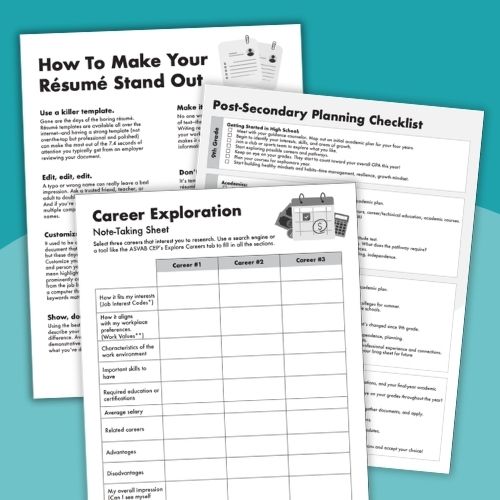
Don’t forget to download your free Career Exploration Worksheets!

Teachers, you won’t want to miss this free set of printable worksheets. They’re perfect for helping high school students take a closer look at future job opportunities. Just follow the link below to get them.
What alternatives to college do you talk about with your students? Come share your ideas in the We Are Teachers HELPLINE group on Facebook.
Plus, Mistakes We Make When We Talk to Our Students About Life After High School.

Source link